The average smartphone user unlocks their phone many dozens of times a day. Each check is small: a message, a reel, a notification. Together, they break your focus, eat into sleep and leave you feeling busy but tired.
A digital detox doesn't mean throwing your phone away. It means deciding when your phone gets your attention, instead of letting it decide for you.
Why screen time affects your health
- Sleep: scrolling in bed delays sleep, and bright screens and stimulating content keep your brain alert.
- Stress: constant notifications keep you in a low-level "on call" state.
- Movement: screen time often replaces walking, play and exercise.
- Posture: hours of looking down strain the neck and shoulders.
A realistic detox habit: three phone-free zones
- The first 30 minutes after waking. Water, sunlight, stretching or breakfast first, then your phone.
- Meals. Phones off the table, especially family dinners.
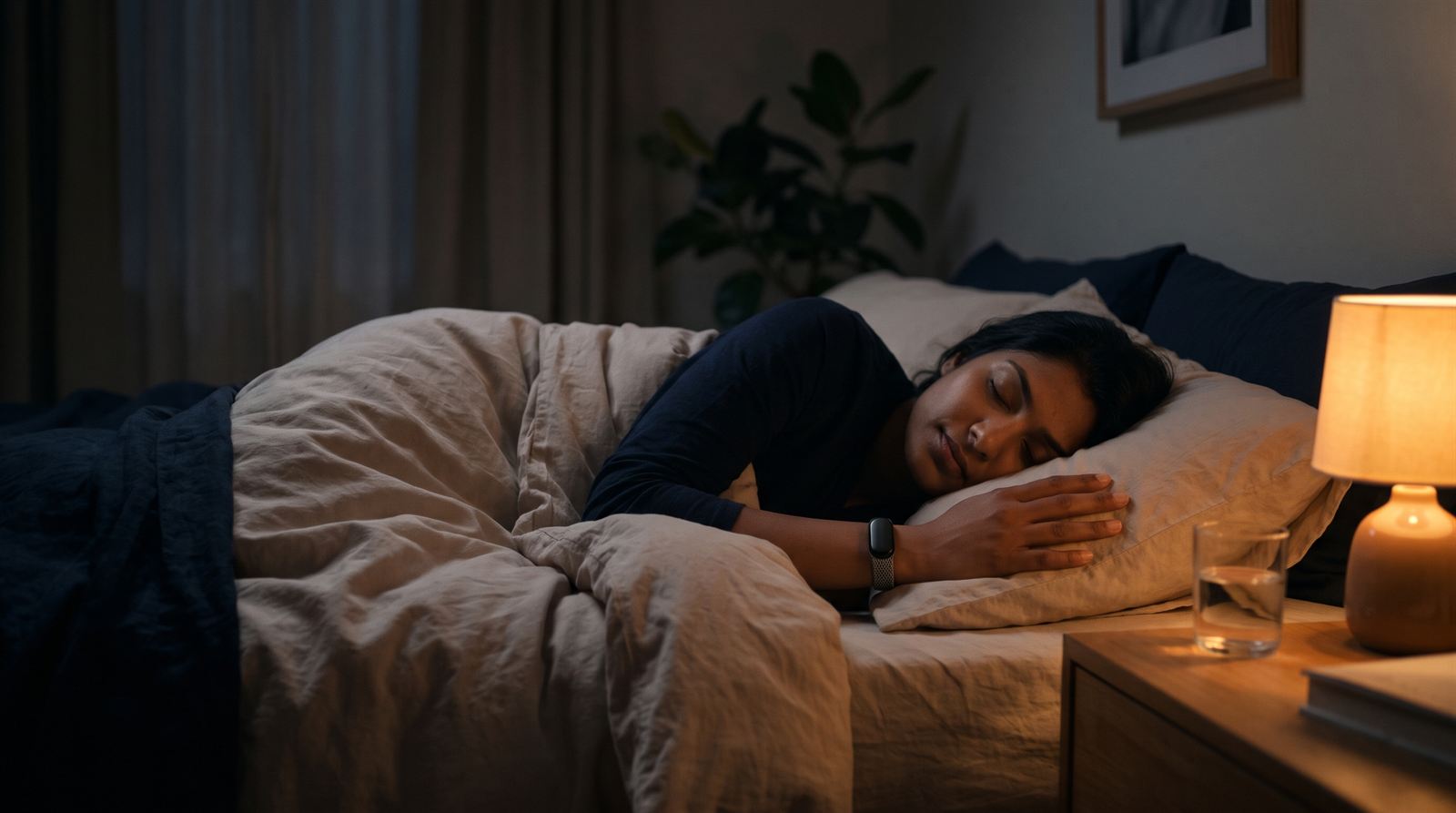
- The last 30 to 60 minutes before bed. Charge your phone outside the bedroom and use a basic alarm clock if you need one.
Small settings that help a lot
- Turn off non-essential notifications. Keep calls and messages from real people, and mute the rest.
- Use grayscale or focus modes in the evening.
- Move social apps off your home screen.
- Check your phone's screen-time report once a week. Awareness alone often reduces use.
Replace, don't just remove
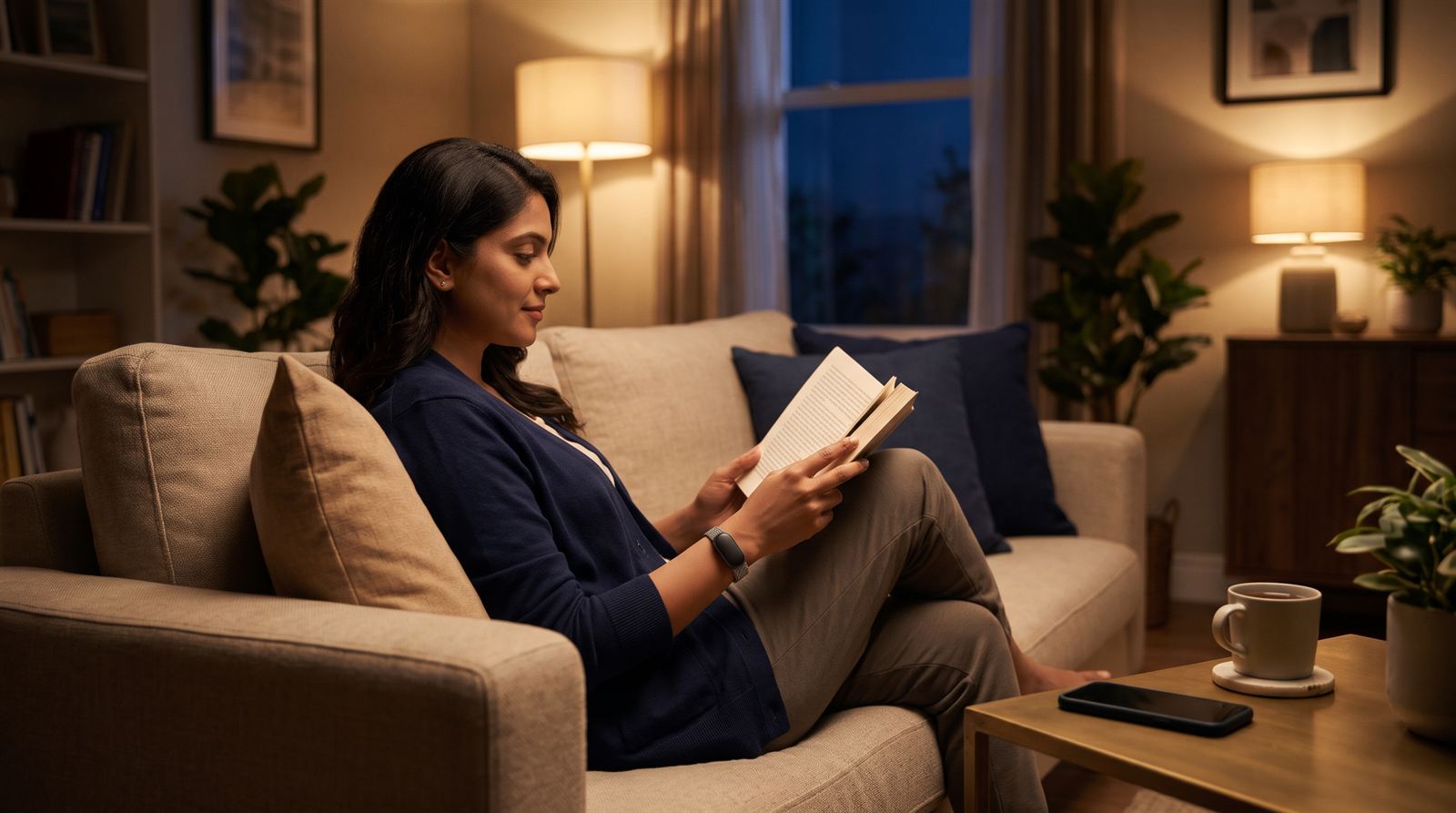
A gap where scrolling used to be gets filled with scrolling again. Plan what you'll do instead: an evening walk, reading, a hobby, cooking, playing with your kids, or 10 minutes of yoga or breathing.
Why we made SynQ screenless
Most fitness trackers and smartwatches add another screen to your life, with buzzing notifications and numbers you can check every few minutes. That can make health tracking feel like one more thing demanding your attention.
SynQ is a screenless fitness tracker band. It's designed to quietly track your sleep, heart rate, HRV and activity in the background, so you look at your trends when you choose to, ideally once in the morning. No bright screen at night, and no urge to check your wrist all day.
It's built on a simple idea: the best health tracker is one you can forget you're wearing.
See the difference in your data
Here's a good experiment for a screenless band: keep your phone out of the bedroom for two weeks. Many people find they fall asleep earlier and get more total sleep, and their morning HRV and resting heart rate often look better too.
Start tonight: charge your phone in another room. That single change is often the biggest sleep upgrade people make.
This article is general wellness information, not medical advice. SynQ is a wellness product, not a medical device, and does not diagnose, treat or prevent any condition. If you have a health condition, are pregnant, or are worried about your sleep, heart rate or fitness, please speak to a doctor before changing your routine.