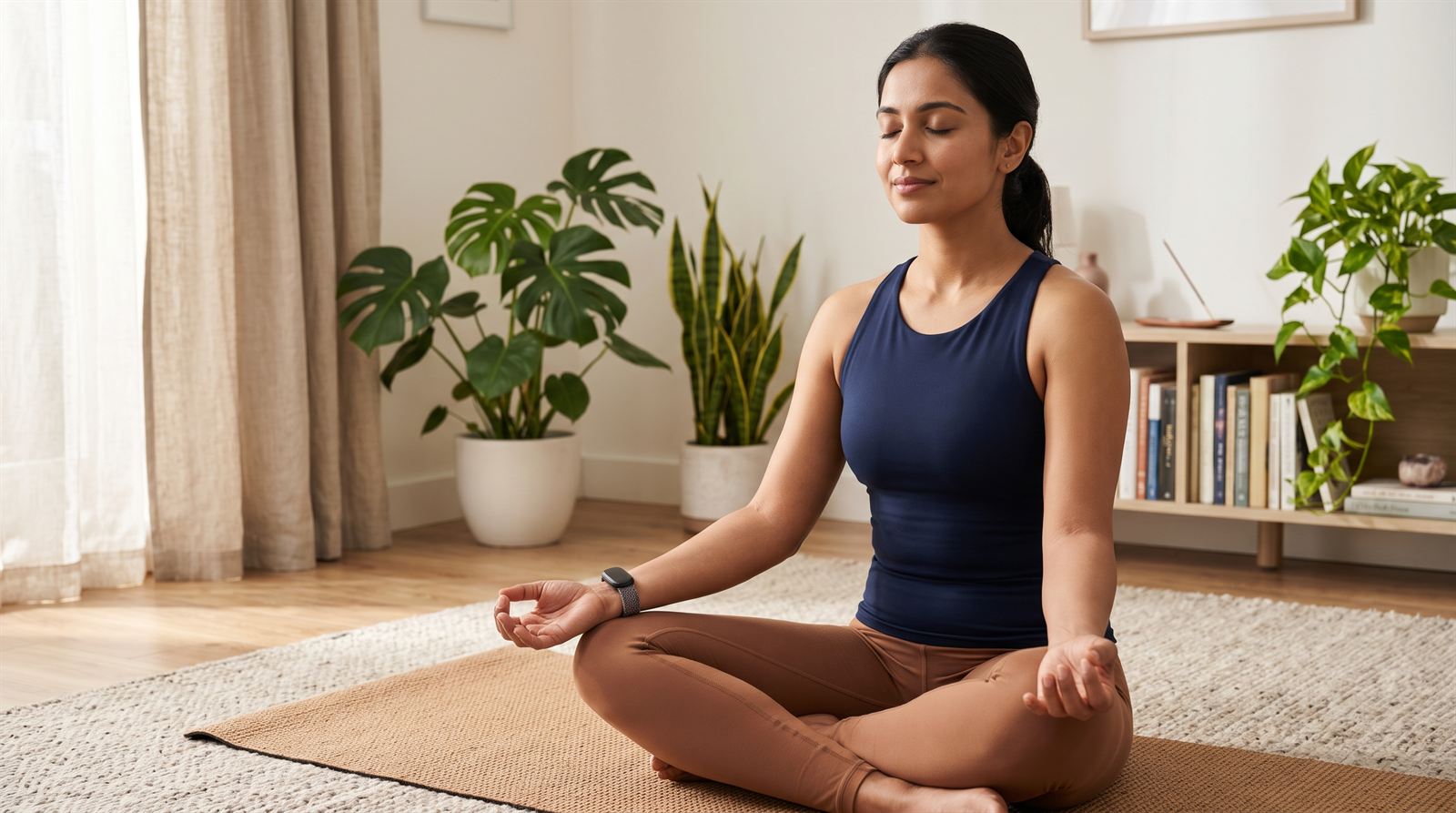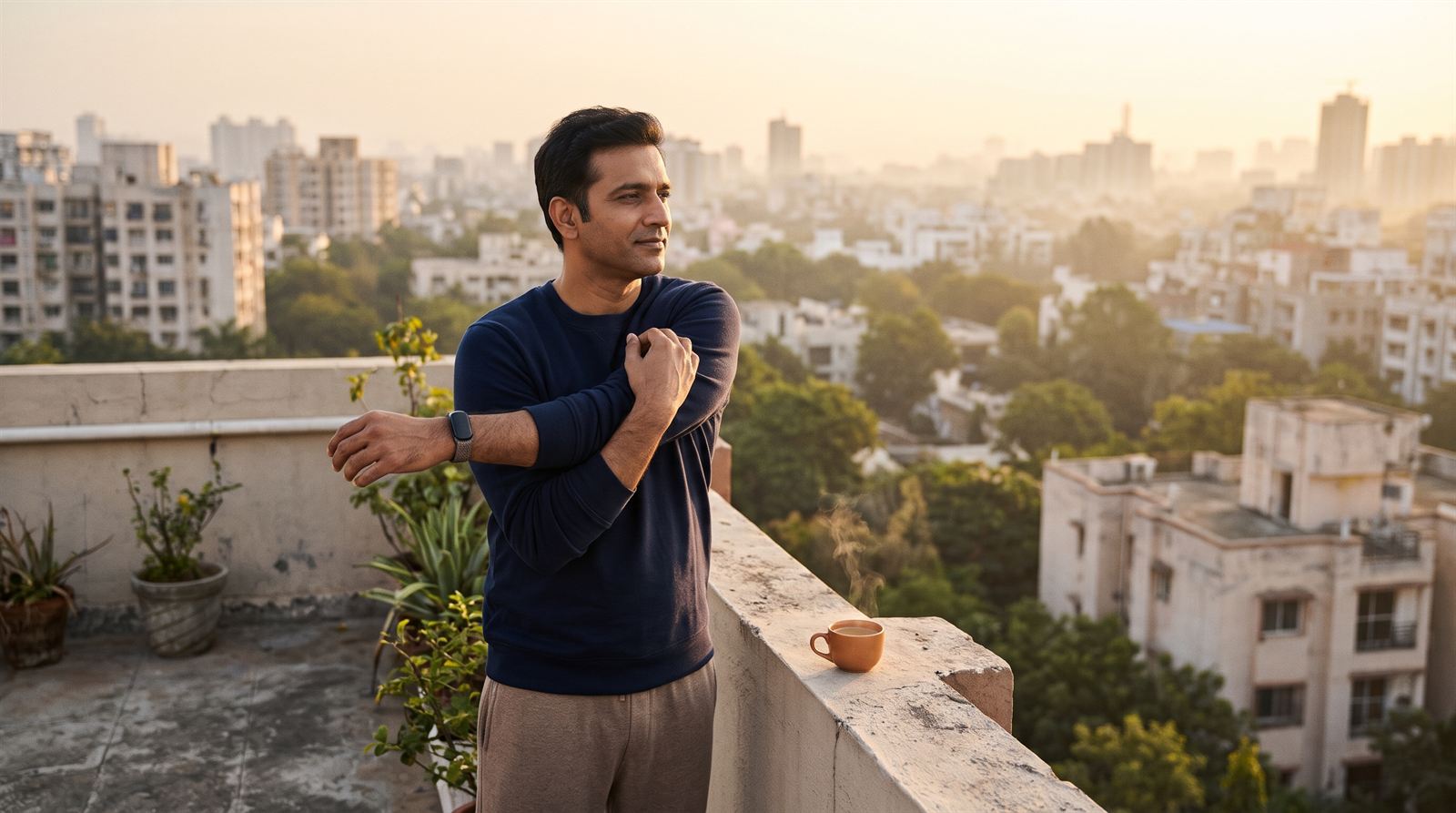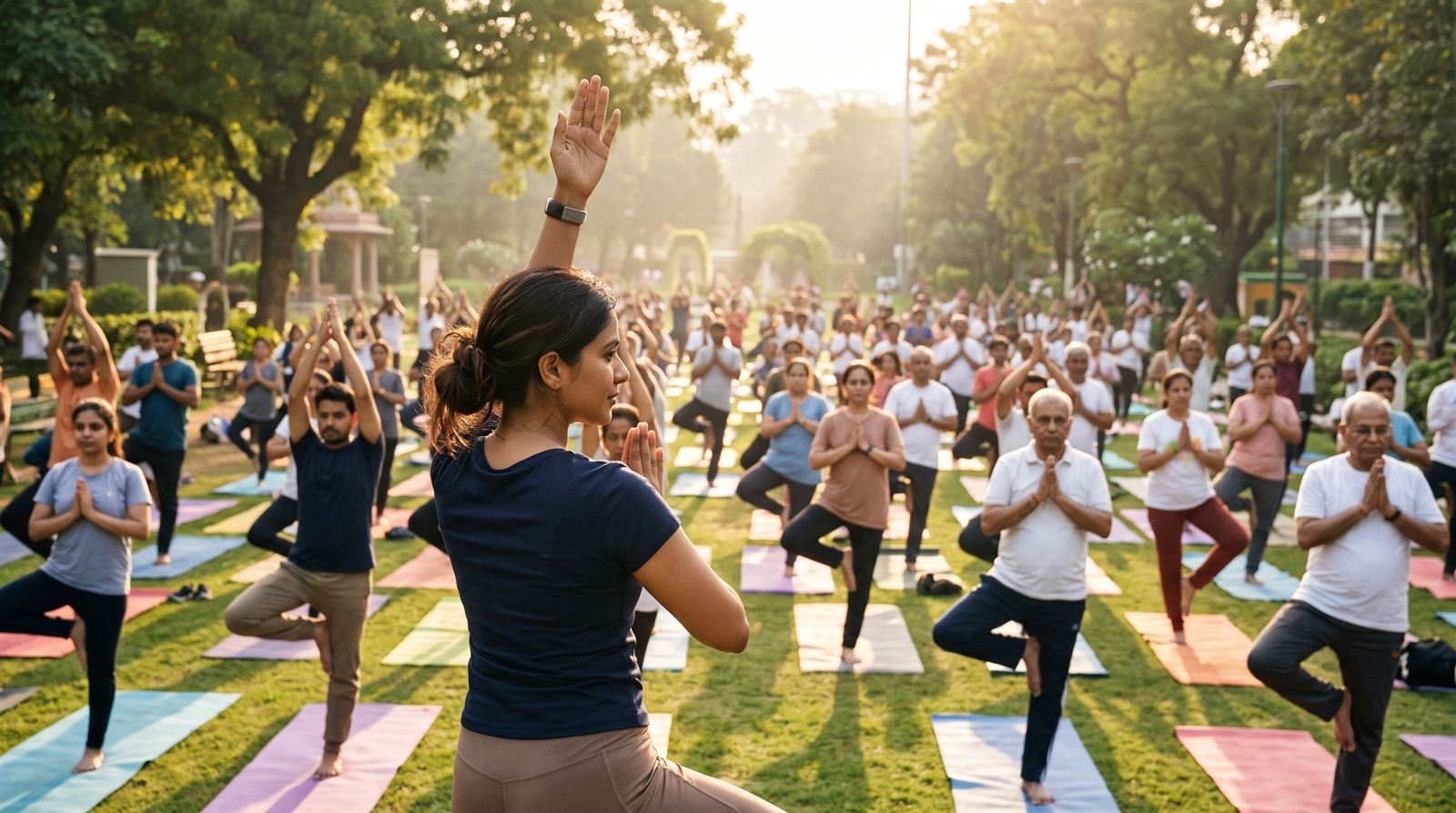
Every year on 21 June, parks, beaches, offices, schools and city squares around the world fill with people on yoga mats. International Day of Yoga, often called World Yoga Day, has become one of the largest wellness events on the planet, and it began with a proposal from India.
The story of International Day of Yoga
- September 2014: India's Prime Minister Narendra Modi proposed an international day of yoga in his address to the United Nations General Assembly.
- December 2014: the UN General Assembly adopted a resolution declaring 21 June as the International Day of Yoga, with support from a large number of countries.
- 21 June 2015: the first International Day of Yoga was celebrated worldwide, with a huge mass session on Rajpath in New Delhi.
Why 21 June? It's the summer solstice in the Northern Hemisphere, the longest day of the year, a date with special significance in many traditions.
Since then, the day has grown every year, with India's Ministry of AYUSH leading national celebrations and the Common Yoga Protocol, a standard sequence of loosening practices, asanas, pranayama and meditation that anyone can follow.
Why yoga went global
Yoga is thousands of years old, but its appeal is very modern. In a world of desk jobs, screens and constant stress, it offers:
- Strength, flexibility and balance without equipment
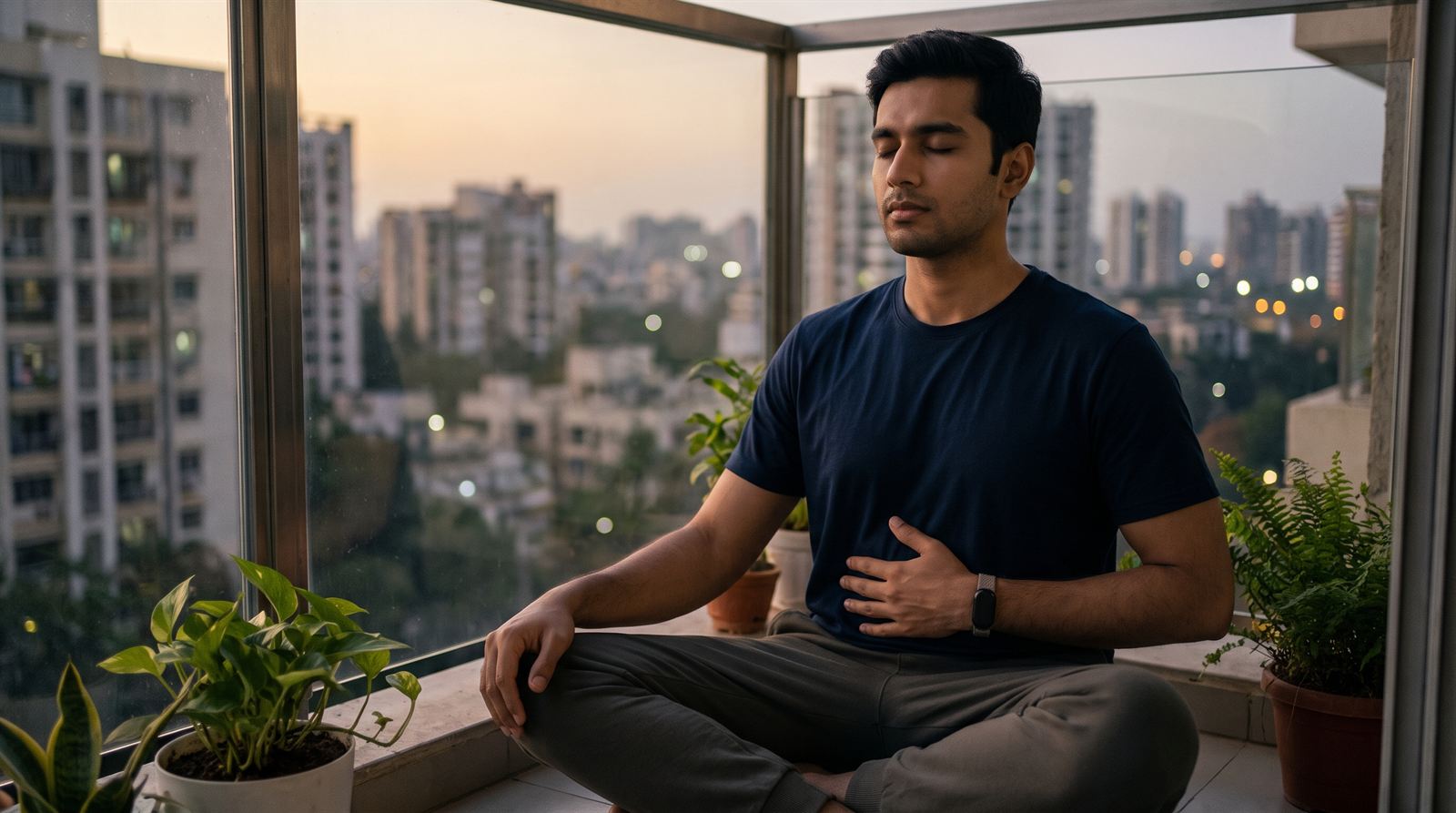
- Breathing practices (pranayama) that help calm the mind
- A practice for every age and fitness level, from gentle chair yoga to power yoga
- A space to switch off from phones and pressure
Where fitness trackers come in
Yoga is about awareness and the breath, so tracking might seem out of place. But modern sensors can complement the practice beautifully, as long as they stay in the background:
1. From one day to every day
Yoga Day is a wonderful start. The real benefits come from practising regularly. A band that logs your sessions helps turn a once-a-year event into a daily habit.
2. Seeing the calm
Pranayama and meditation are designed to calm the nervous system. A band that tracks heart rate can show your heart rate settling during breathing practice and savasana, a nice way to see the relaxation response at work.
3. Sleep, stress and HRV over time
Some research suggests regular yoga and slow breathing are associated with better sleep and higher heart-rate variability (HRV), a marker of how well your body copes with stress. Tracking lets you see your own trend over weeks of practice. Read more in yoga and your fitness tracker.
4. The right practice for the day
Recovery data helps you choose: a strong flow on a well-recovered day, gentle restorative yoga or pranayama when your body is under strain.
Why SynQ is built for mindful tracking
SynQ is a screenless fitness tracker band, designed in the spirit of practices like yoga: quiet, unobtrusive and focused on how you feel. There's no screen to glance at during your practice and no notifications buzzing in savasana. It's designed to track sleep, recovery, heart-rate and HRV trends in the background and explain them in plain language.
A Yoga Day challenge: 21 days from 21 June
Join the Yoga Day habit challenge: starting on 21 June, practise for at least 15 minutes a day for 21 days. Use a short sequence of Surya Namaskar, a few standing poses, Anulom Vilom and savasana. Track your sleep, resting heart rate and HRV, and compare week 1 with week 3.
You don't need to wait for 21 June. Every day is a good day to start.
Practise safely
Learn new poses from a qualified teacher, move within your comfortable range, and never force a stretch. If you're pregnant, have high blood pressure, heart disease, glaucoma, or back, neck or joint problems, check with your doctor first. Some poses and breathing techniques need modification.
This article is general wellness information, not medical advice. SynQ is a wellness product, not a medical device, and does not diagnose, treat or prevent any condition. If you have a health condition, are pregnant, or are worried about your sleep, heart rate or fitness, please speak to a doctor before changing your routine.