Search for the best fitness band and you'll find long lists of models. The honest answer is that there's no single best band. There's only the best one for how you sleep, train and live. A runner preparing for a marathon, a parent who wants better sleep and someone who just wants to move more each day need different things.
This guide walks through what actually matters when you choose a fitness band in India, so you can compare any band on the same terms.
1. Start with what you want to change
Before comparing features, decide on the one or two things you want help with:
- Sleep: going to bed on time, sleeping longer, understanding why some nights feel worse.
- Recovery and stress: knowing when to push and when to rest.
- Activity: walking more, training regularly, preparing for an event.
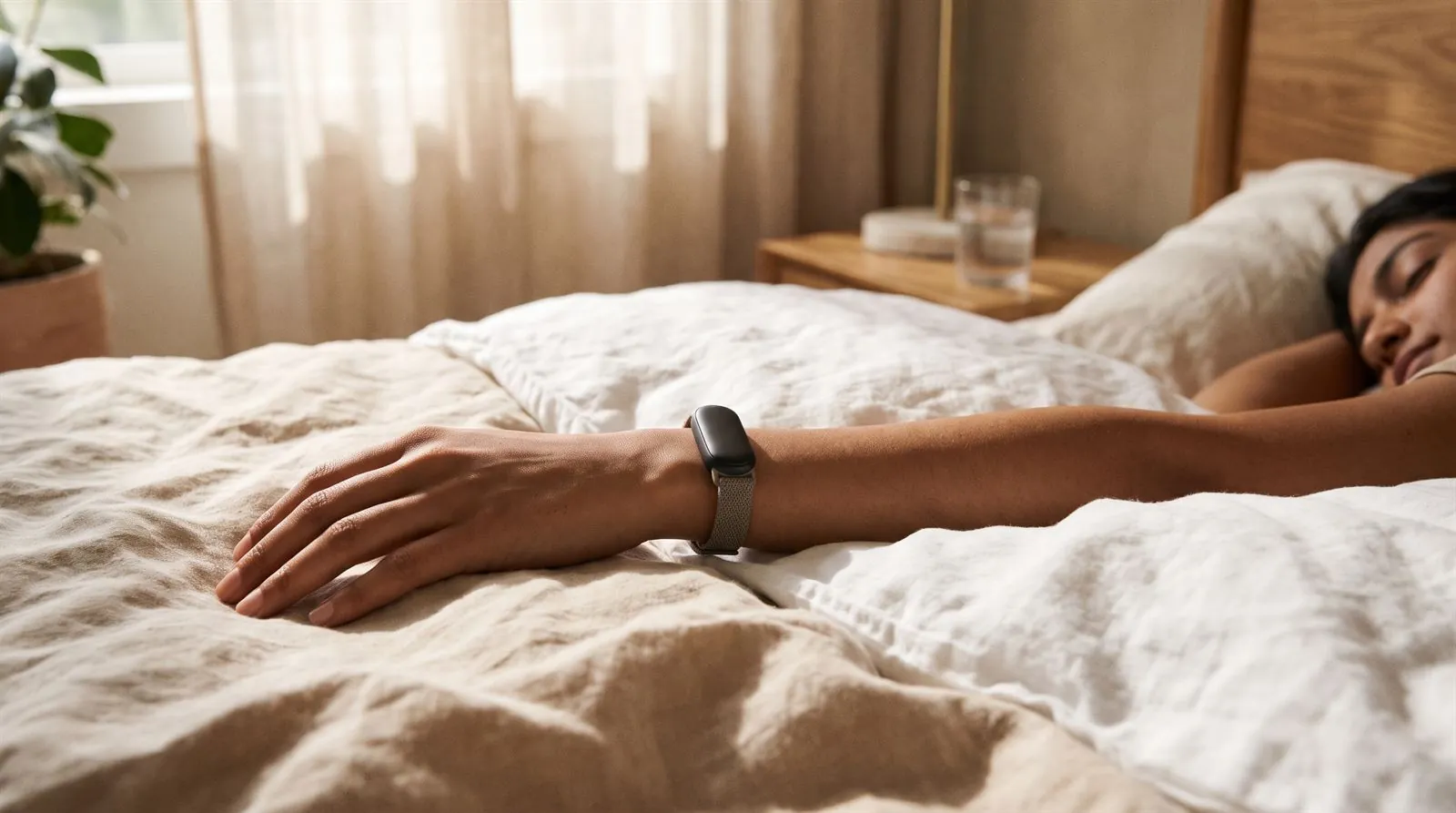
If sleep and recovery matter most, you want a health tracker band that is comfortable enough to wear every night. If live workout stats matter most, a band or watch with a display may suit you better.
2. Check what it tracks, and how well
Most bands measure the same core signals with an optical heart-rate sensor and a motion sensor. What differs is how well they turn that data into something useful.
| Signal | What it tells you | What to look for |
|---|---|---|
| Sleep | When you slept and for how long | Accurate totals and timing; treat sleep stages as a rough guide |
| Heart-rate variability (HRV) | How well your body is coping with stress and training | Measured overnight and compared with your own baseline |
| Resting heart rate | A simple early sign of strain or illness | Trends over days, not single readings |
| Activity | Steps, movement and workouts | Useful summaries rather than endless numbers |
A good HRV tracker doesn't just show a number. It tells you what the number means for today, compared with what is normal for you. If you're new to HRV, read our guide to sleep, recovery and HRV.
3. Screen or no screen?
This is the biggest choice you'll make. A band with a display shows the time, notifications and live stats. A fitness tracker without screen does its work in the background and shows your data on your phone.
- Choose a screen if you want the time, notifications and live stats on your wrist during workouts.
- Choose no screen if you want fewer distractions, something slim to wear to bed, and to check your data once a day instead of all day.
Without a display to power, a screenless band can also be lighter and last longer on a charge. Our guide to screenless fitness trackers covers this in more detail.
4. Look at battery life and comfort
A band only helps if you actually wear it, day and night. Check:
- Battery life: the longer it lasts, the fewer nights of sleep data you miss while charging.
- Strap: soft, breathable straps are easier to wear through an Indian summer and overnight.
- Size and weight: slim bands are easier to forget you're wearing, which is the point.
5. Read the subscription small print
Some fitness bands need a monthly subscription before they show your main insights. That can add up to more than the band itself over a few years. Before you buy, check:
- What you get free with the band, for as long as you own it.
- What needs a subscription, and its monthly and yearly price.
- What happens if you stop paying: do you keep your core features and your data?
6. Fitness band India pricing: count the whole cost in rupees
When you compare bands in India, look at the full cost: the band, any subscription over two or three years, and spare straps or chargers. Also check that the app works well with your phone, that support is available in India, and what the warranty and returns terms say.
Quick checklist: it tracks the things you care about, it's comfortable enough to wear to bed, the battery lasts at least several days, the core insights are free, and the total price makes sense in rupees.
Where SynQ fits
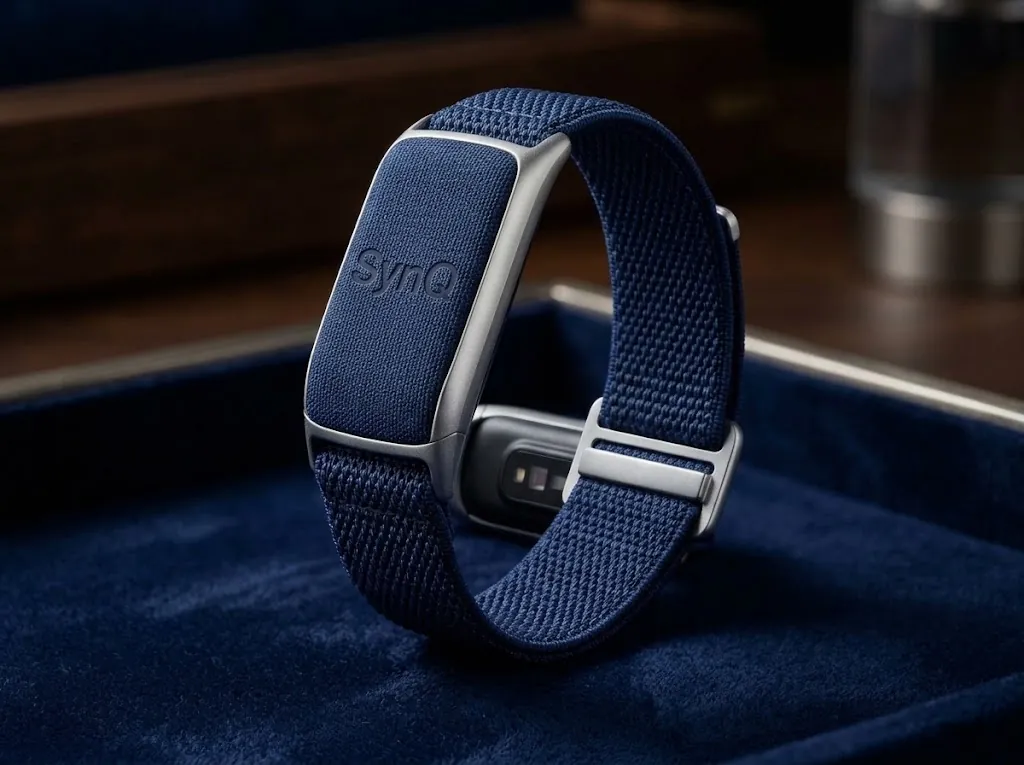
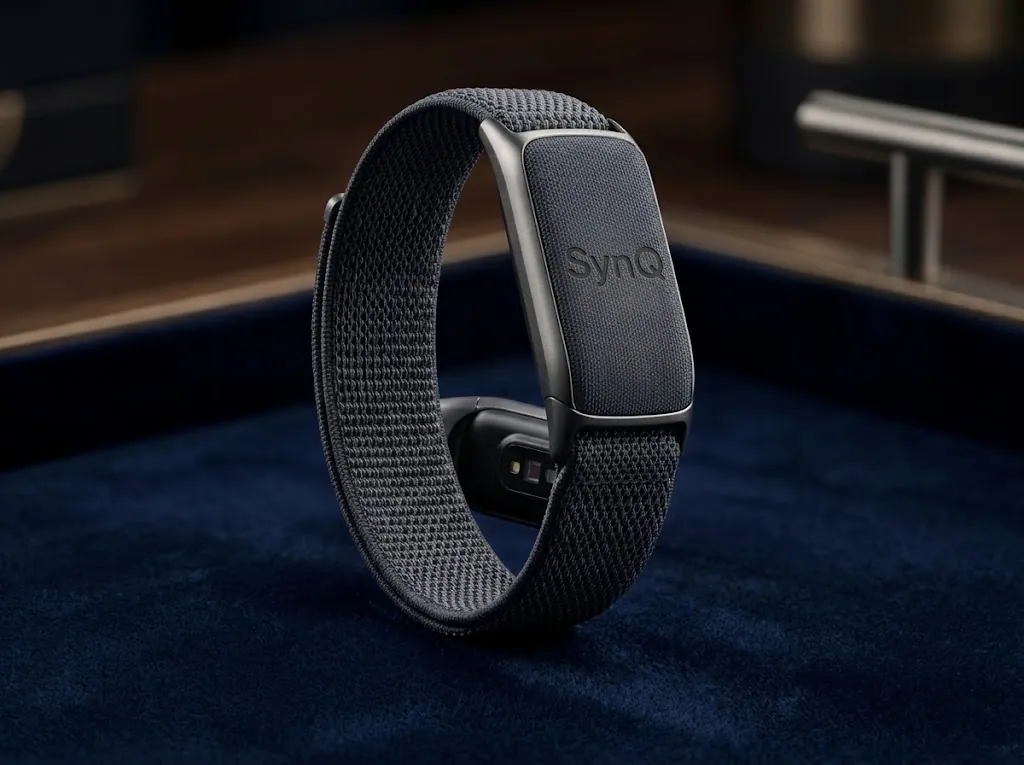
We're building SynQ for people who care most about sleep and recovery. It's a screenless health tracker band: each morning it compares your sleep, HRV, resting heart rate and activity with your own baseline and gives one call for the day: Train, Go easy or Recover.
- Planned launch price: ₹10,999, paid once.
- Free with the band: the daily cue, personal baseline, one body view and 30-day trends.
- Optional: SynQ Pro at ₹299 a month or ₹2,999 a year.
- Battery: 7–10 days is our design target; final specifications will be published before launch.
SynQ is a wellness product, not a medical device. If it sounds like the right kind of band for you, join the waitlist for the launch date and first access.
About SynQ: one daily cue each morning: Train, Go easy or Recover. The planned launch price is ₹10,999, and the daily cue is free with the band. See pricing.
This article is general wellness information, not medical advice. SynQ is a wellness product, not a medical device, and does not diagnose, treat or prevent any condition. If you have a health condition, are pregnant, or are worried about your sleep, heart rate or fitness, please speak to a doctor before changing your routine.