Most people buy a fitness band to count steps. A few weeks later, the step count stops being interesting: you already know whether you walked a lot today. The numbers that actually help you decide what to do next are about how well your body is coping: how you slept, how recovered you are, and whether stress is building up.
1. Sleep: duration first, stages second
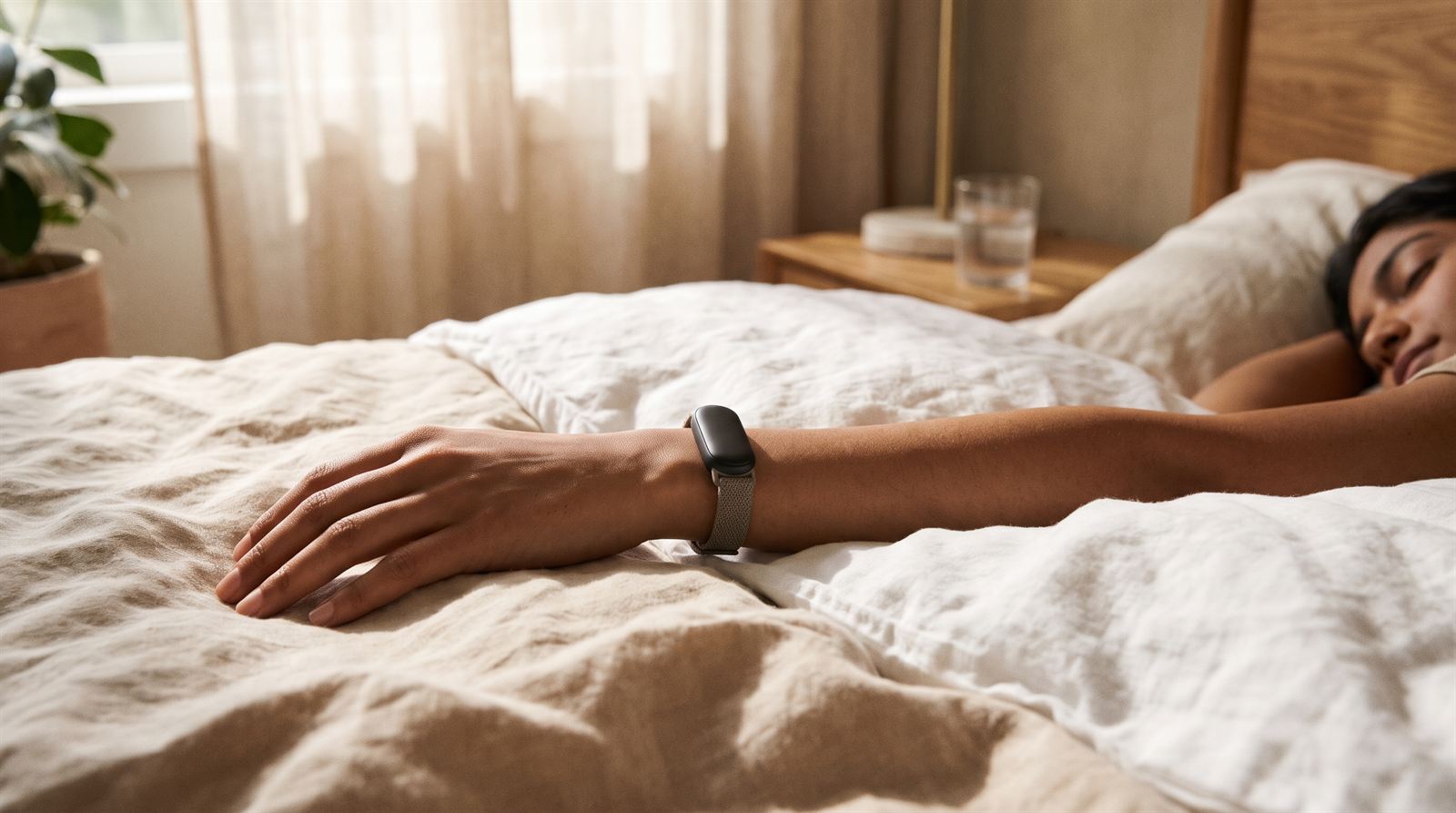
Sleep is the foundation of recovery. Health bodies generally recommend that adults get at least 7 hours of sleep a night. Many of us in busy Indian cities regularly get less, with late dinners, long commutes and screens in bed.
A wrist band estimates sleep from movement and heart rate. It is good at telling you when you fell asleep, when you woke and how long you slept. It is less precise about sleep stages (light, deep and REM), which are properly measured in a sleep lab. So:
- Trust the totals and the timing. Total sleep and a consistent bedtime matter most.
- Treat stages as a rough guide. One "low deep sleep" night means very little; a week-long pattern means more.
- Watch consistency. Going to bed and waking at similar times, even on weekends, often helps more than any single change.
2. Heart-rate variability (HRV): your stress gauge
Your heart doesn't beat like a metronome. The tiny differences in time between beats are called heart-rate variability, or HRV. It reflects the balance between your "rest and digest" and "fight or flight" systems.
In general, when you're well rested and relaxed, HRV tends to be higher than your usual. Hard training, poor sleep, alcohol, illness, travel and mental stress tend to push it lower.
The golden rule of HRV: compare yourself only with yourself. HRV varies hugely between people, by age, fitness and genetics. A "good" number for your friend may be meaningless for you. What matters is your trend against your own baseline.
HRV is best measured while you sleep, when movement and caffeine don't get in the way. That's why it's most useful as a morning number: a quick check on how last night went.
3. Resting heart rate: the simple early warning
Resting heart rate (RHR) is easier to understand. As fitness improves, RHR often drifts down over weeks and months. If your RHR is noticeably higher than normal for a few days, it can be a sign that your body is under strain from hard training, poor sleep, stress or the start of an illness.
4. Putting it together: what "recovery" means
A recovery score combines signals such as sleep, HRV and resting heart rate into one simple answer: is today a day to push, or a day to go easy?
- Recovered: good sleep, HRV at or above your usual, normal RHR. A good day for a harder workout.
- Somewhere in between: train, but keep it moderate.
- Under strain: short sleep, low HRV, raised RHR. Choose a walk, mobility or rest, and prioritise sleep tonight.
The point isn't to follow the score blindly. It's to notice patterns: "every time I sleep under 6 hours, my next two days feel worse", or "late-night heavy meals show up in my sleep".
5. How to use the numbers without obsessing
- Give it two weeks. Your band needs time to learn your baseline before the trends mean much.
- Look at weekly trends, not single nights. One bad night is normal.
- Change one thing at a time. An earlier dinner, a fixed bedtime, less caffeine after 2 pm. Then see what your data says.
- Listen to your body too. If you feel great but the number says otherwise, your feeling counts.
Why we're building SynQ this way
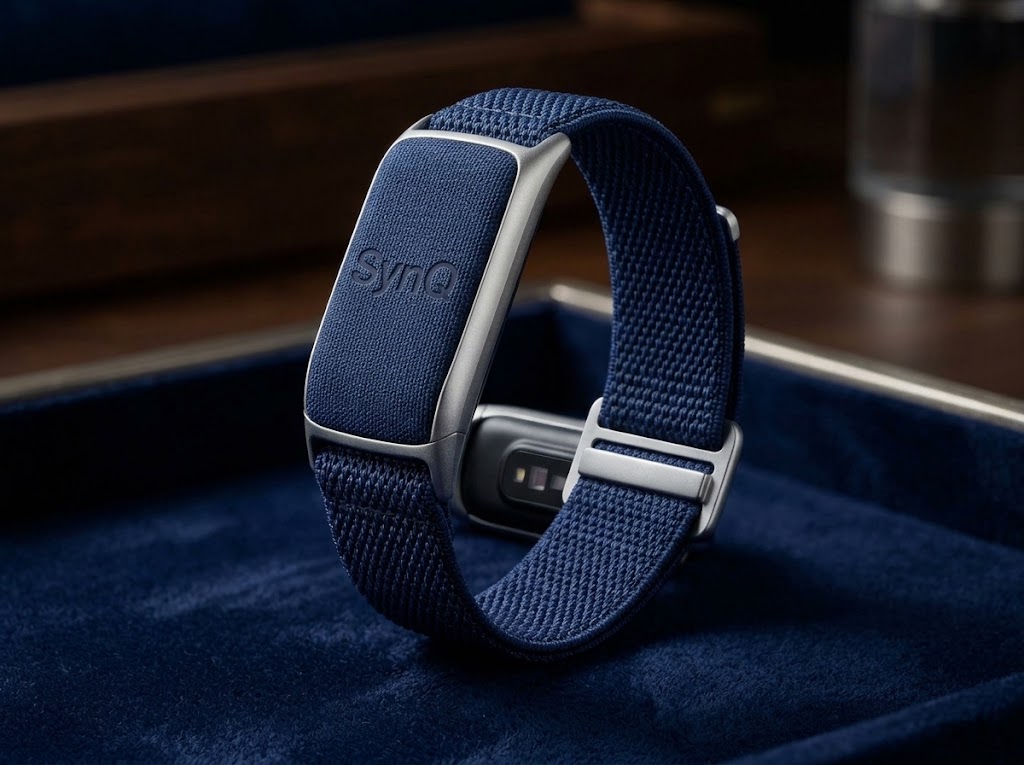
SynQ is a screenless band, so there's no screen on your wrist tempting you to check numbers all day. It's designed around sleep, recovery and everyday activity, with heart-rate and HRV trends explained in plain language. And we've promised to be clear about the full price, including any optional paid features, before you buy.
This article is general wellness information, not medical advice. SynQ is a wellness product, not a medical device, and does not diagnose, treat or prevent any condition. If you have a health condition, are pregnant, or are worried about your sleep, heart rate or fitness, please speak to a doctor before changing your routine.